RARE WILDLIFE ALERT – The Porcupinefish (Diodon hystrix)
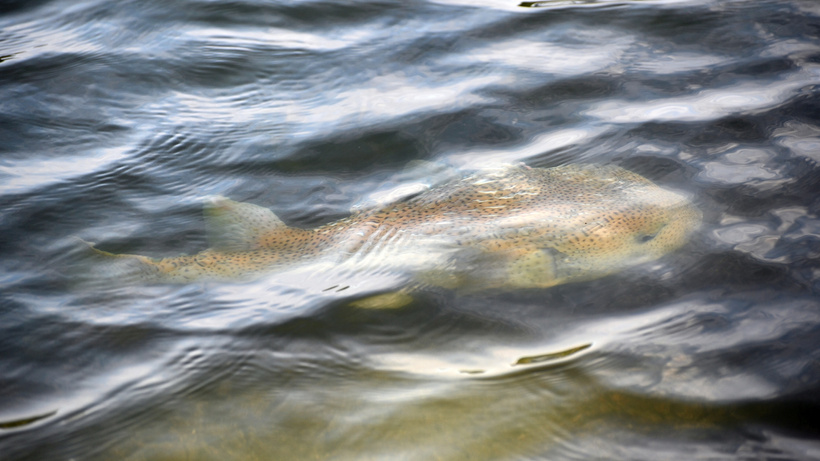

Porcupinefish (Diodon hystrix)
Hi! I hope your weekend was fantastic. : )
As a patron, one of your perks is timely ‘Rare Wildlife Alerts‘ when we sight a rare creature, or witness unusual behavior or presence. You receive word of these phenomenon a minimum of three days earlier than the public. We protect wildlife presence by delaying public notifications and thus keep massive amounts of people from rushing in to ‘gawk’. Please use these alerts responsibly. Many species of wildlife at Mandahl can be disturbed by too many people being in the area at once.
♦♦♦
During sunset on Sunday, February 21, 2021 a porcupinefish (Diodon hystrix) made an appearance in the shallow back waters of Mandahl’s lagoon.
VIEW & DOWNLOAD THE ENTIRE PHOTO-SET HERE.

I was standing in about two inches of water photographing an immature Little Blue Heron when a slight movement down and to my right caught my eye. Turning my head, I saw a two-foot-long porcupinefish about 8 feet away in 12 inches of water. It was just floating there, aimed head-on at me, with giant baleful eyes gazing up and locked onto my movements. Indeed, when I moved my camera to get a shot, it slowly turned and swam lazily into the cover of mangrove roots.
Porcupinefish are not unusual to Mandahl Bay. In fact, quite a few make the coral reefs and rock ‘wall’ of the bay their home. They will occasionally wander into the jetty entrance and saltpond-swimming hole region. In 35 years of documenting Mandahl Bay, this is my first encounter with a porcupinefish in the harsh, low-oxygen content, brackish waters of the back lagoon.
That is not to say that they do not inhabit that part of the Eco-system. However, given that lengthy observations over time have not recorded a regular Mandahl inner-lagoon presence, I am going to call this presence ‘uncommon to rare’.
Which begs the question: How did it get here and why?
The answer most likely has to do with the high wave conditions over the last few weeks. High surfs, tide variances of more than a foot and full moon combined for a wild exchange of lagoon waters with the Atlantic Ocean. Waves were so high and strong that surfing conditions existed all the way into the salt pond. Porcupinefish inhabit the reef around Mandahl Bay. I suspect this specimen rode a wave in and then stayed for the protection the mangrove roots provide from the battering waters.
Will it stay in the lagoon or return to the reef?
For a fact the food it requires is in abundance – crabs, crustaceans, gastropods, mollusks, and urchins. The answer may be whether the porcupinefish can tolerate the fresh water mix and low oxygen in the back area for long periods of time.
Other marine denizens of the back lagoon have evolved methods of dealing with brackish environs. The Tarpon is an air-breather and can remain in the area even when other fish start dying from asphyxiation. Eaglerays skim the surface and can access newly oxygenated water. The porcupinefish? Well, it gulps air to inflate its body twice its size into its famous defensive balloon shape. I suspect oxygen is not a problem for this fish, but I will research the matter much more deeply in the coming months.
As far as salinity is concerned, other evidence may indicate that the porcupinefish may not be too distressed by short stays in ugly waters. Fishermen worldwide have reported catching sharks, cutting open the belly, and finding a porcupinefish happily swimming around in the stomach acid. Other tales relate occasions of porcupine fish chewing through the stomach wall and body of a shark to escape!
The University of Florida’s Florida Museum has a very reader-friendly page with highlights of the porcupinefish’s life and behavior. I recommend you take a few minutes to read the link and learn a little more about this unique creature that is common to the Virgin Islands.
🙂